Welding Cable

A dependable and long-lasting solution for welding operations. Our cables include agile copper conductors and thick insulation, which ensures effective current transfer and resistance to heat and abrasion. For your welding needs, rely on our premium cables.

  • High-quality welding cables designed for welding applications, transmitting high currents from welding machines to electrodes.
  • Made with flexible copper conductors and durable insulation materials.
  • Available in various sizes (gauge) to accommodate different current-carrying capacities.
  • Color-coded for easy identification and typically meet industry standards for safety and performance.

Types of Welding Cable

Standard Welding Cable

Standard Welding Cable

Our ordinary welding cable is intended for general welding purposes. It has flexible copper conductors and a long-lasting insulating material that provides dependable current transmission and resilience to heat and abrasion.

Heavy-Duty Welding Cable

Heavy-Duty Welding Cable

Engineered for demanding welding tasks, our heavy-duty welding cable offers enhanced durability and maximum current-carrying capacity. Its robust construction, including high-strand count copper conductors and rugged insulation, ensures optimal performance in harsh environments.

Ultra-Flexible Welding Cable

Ultra-Flexible Welding Cable

Ultra-flexible welding cable provides unprecedented flexibility. This cable's finely stranded copper conductors and very flexible jacket enable simple movement and decrease operator fatigue without sacrificing power transmission.

Oil-Resistant Welding Cable

Oil-Resistant Welding Cable

Oils, greases, and chemicals are common in industrial settings, so our welding cable is oil-resistant. With its unique insulation material, our welding cable provides dependable performance and long-term durability even in oil-contaminated environments.

High-Temperature Welding Cable

High-Temperature Welding Cable

Our high-temperature welding cable is the ideal choice when working in high-temperature welding applications. It is engineered to withstand extreme heat, providing excellent resistance to thermal degradation and maintaining its electrical properties under elevated temperatures.

Flame-Resistant Welding Cable

Flame-Resistant Welding Cable

Flame-resistant welding cable is designed to resist flame propagation and self-extinguish once the ignition source is removed. This cable offers reliable performance while prioritizing safety in welding operations where fire hazards are a concern.
104,000 m²

Total Factory Area

300+

Company Employee

100+

Million USD Turnover

25+

Years of Experience

Why Us

We are Leading Welding Cable Manufacturer

Our welding cable manufacturing company for top-quality products and exceptional service. With over 28 years of experience, we pride ourselves on meeting international standards such as ISO 9001 and UL certifications. Our cables undergo rigorous testing, ensuring low conductor resistance (less than 2.5 ohms/km) and excellent flexibility with 5000 bending cycles. Customer satisfaction is our priority.

Heat and Abrasion Resistance

They are made of insulating materials resistant to heat, sparks, and abrasion, assuring durability and lifespan even in complex welding settings.

High Current Capacity

Cables are built to accommodate large currents, allowing for efficient power transfer during welding.

Flexibility

Welding cables are highly flexible, making them easy to maneuver and bend, enabling greater convenience and ease of use in various welding applications.

Safety

They must meet rigorous standards and requirements, provide dependable insulation, and reduce electrical risks during welding operations, protecting operators and equipment.

Contact Us

Upgrade your welding operations with our premium welding cables today. Contact us for a quote and experience the difference.

Welding Cable Specification

Specification
Description
Conductor Material
Copper (high conductivity and flexibility)
Insulation Material
EPDM (Ethylene Propylene Diene Monomer) or Neoprene (heat and abrasion resistant)
Voltage Rating
Typically 600V or 1000V
Temperature Rating
Up to 90°C (194°F) or higher for high-temperature cables
AWG Size Range
6 AWG to 500 MCM (larger sizes available for specialized applications)
Ampacity Rating
Varies based on cable size and temperature rating
Color Coding
Typically orange or red for insulation, with different colors for connectors
Standards
AWS A5.29, UL 1581, CSA C22.2 No. 96-M, RoHS compliant, etc.

Applications of Welding Cable

Welding Industry

Welding Industry

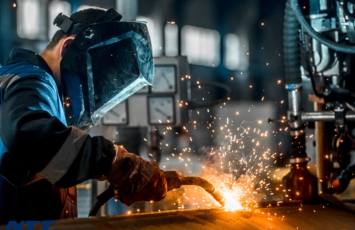
In the welding industry, welding cables mainly link welding machines to electrodes, providing a dependable and efficient power source for various welding applications.

Industrial Manufacturing

Industrial Manufacturing

Welding cables find applications in various industrial manufacturing processes, including producing machinery, equipment, and metal products, enabling the joining and fabrication of metal parts and components.

Construction and Infrastructure

Construction and Infrastructure

Welding cable is used for a variety of construction and infrastructure applications that require welding, including steel construction, bridge construction, pipeline construction, and metalworking.

Artistic and Sculptural Welding

Artistic and Sculptural Welding

Artists and sculptors also use welding cables to combine metals to create unique and complex sculptures, metal works, and decorative items.
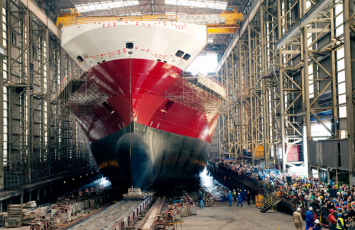
Automotive and Shipbuilding

Automotive and Shipbuilding

Cable welding plays a vital role in the automotive manufacturing and shipbuilding industries, where welding is widely used to join metal parts, weld vehicle frames, and build ships and vessels.

Mining and Heavy Equipment

Mining and Heavy Equipment

Welding cables are utilized in mining operations and producing heavy machinery and mining equipment such as excavators, bulldozers, and drilling rigs, where solid and dependable welds are critical for safety and productivity.

Request a Quote

Ready to Work Together? Build a project with us!

Frequently Asked Questions

  • Yes, there is a difference between the battery cable and the welding cable. While both cables are designed to carry electrical current, they have distinct characteristics and purposes. Battery cables are primarily used to connect batteries in automotive and marine applications, and they are typically made of stranded copper conductors with PVC insulation.
  • On the other hand, welding cables are specifically designed for welding operations, featuring highly flexible copper conductors and durable insulation materials like EPDM or neoprene. Welding cables can carry higher currents and are more resistant to heat, abrasion, and oil, making them suitable for the demands of welding equipment and environments.
  • Standard welding cable often refers to a type that fulfills widely established industry performance and safety criteria. It is intended to transport high currents from welding equipment to electrodes effectively. Copper conductors provide excellent conductivity and flexibility, while insulation materials such as EPDM or neoprene provide durability and resilience to heat and abrasion.
  • To guarantee dependable and safe welding operations, the cable’s parameters, such as voltage rating, temperature rating, and color coding, comply with established standards such as AWS A5.29, UL 1581, CSA C22.2 No. 96-M, and other applicable laws.
  • Normal cables should not be used for welding because they are not designed to withstand the specific demands of welding operations. Welding cables are specifically engineered to handle high currents and the intense heat generated during welding. They have flexible copper conductors that carry the required current without significant voltage drop or overheating.
  • Additionally, welding cables have durable insulation materials that resist heat, abrasion, and welding sparks. Normal cables lack these specialized features, making them prone to damage, overheating, and potential safety hazards when welding, compromising the performance and safety of the welding process.
  • Normal cables should not be used for welding because they are not designed to withstand the specific demands of welding operations. Welding cables are specifically engineered to handle high currents and the intense heat generated during welding. They have flexible copper conductors that carry the required current without significant voltage drop or overheating.
  • Additionally, welding cables have durable insulation materials that resist heat, abrasion, and welding sparks. Normal cables lack these specialized features, making them prone to damage, overheating, and potential safety hazards when welding, compromising the performance and safety of the welding process.