Rubber Cable

Our rubber cables are expertly crafted, boasting superior flexibility and resilience due to high-quality rubber compounds. Engineered for reliability and compliance with international standards, they ensure steadfast power delivery across diverse applications.

  • According to IEC Standard
  • Rubber
  • Approved by CCC, CE, SGS
  • Related Voltage 450/750V

Types of Rubber Cable

H07RN-F Cable

H07RN-F Cable

H07RN F cables are tough, flexible, and weather-resistant, making them perfect for industrial use. Their rugged rubber structure enables dependable power transmission in harsh settings, both indoors and out.

HOFR Welding Cable

HOFR Welding Cable

Specifically engineered for welding equipment, HOFR cables offer exceptional flexibility, heat resistance, and durability. These cables provide reliable power transmission in high-demand welding environments.

Nitrile Rubber Cables

Nitrile Rubber Cables

Nitrile rubber cables, known for their resistance to oils and chemicals, are essential in industrial environments where harsh substances are frequently encountered. They provide consistent electrical conductivity under adverse situations.

EPR (Ethylene Propylene Rubber) Cables

EPR (Ethylene Propylene Rubber) Cables

Outdoor applications benefit from EPR cables' excellent resilience to heat, weathering, and oxidation. They play an important role in electricity distribution networks, assuring long-term functioning.

Neoprene Rubber Cables

Neoprene Rubber Cables

Neoprene cables are perfect for heavy-duty industrial applications and portable equipment because they combine flexibility, abrasion resistance, and durability. They can tolerate challenging situations and provide steady power.

Butyl Rubber Cables

Butyl Rubber Cables

Butyl rubber cables, known for their high electrical insulation and weather resistance, play key roles in electrical systems, ensuring long-term dependability and performance.
104,000 m²

Total Factory Area

300+

Company Employee

100+

Million USD Turnover

25+

Years of Experience

Why Us

We are Leading Rubber Cable Manufacturer

We offer a definitive edge with 28 years of proven excellence. Our comprehensive lineup spans 25,000+ configurations across 1,200+ specifications, ensuring unmatched reliability, superior flexibility, and enduring performance across diverse industries. Trust Yuantong for tailored solutions meeting the stringent demands of global applications.

Exceptional Durability

Yuantong rubber cables are built to last, using premium supplies and cutting-edge technology for longer service life in various conditions.

Unmatched Flexibility

With precise engineering and innovative design, our cables exhibit remarkable flexibility, enabling easy installation and adaptability in challenging applications.

Reliable Performance

Yuantong's stringent quality control assures constant, dependable performance over thousands of combinations, serving a wide range of industry applications with trustworthy power transfer.

Comprehensive Range

Our range of products provides customized solutions to meet voltage, temperature, and environmental needs for a broad range of applications worldwide.

Contact Us

Choose Yuantong rubber cables today for durable power and enduring performance.

Rubber Cable Construction

Component
Description
Conductor
Copper or Aluminum
Insulation
Rubber Compound (Ethylene Propylene Rubber, EPDM)
Filler
Non-conductive Filler Materials
Separator
Separator Tape
Sheath
Rubber Compound (Chlorinated Polyethylene, CPE)
Armor (if present)
Galvanized Steel Wire Armor
Voltage Rating
Varies based on application and cable specifications
Temperature Rating
-40°C to 90°C or higher, depending on the materials used
Cross-Section Area
Ranges from 0.5mm² to 300mm² or more
Standards
Compliant with IEC, ASTM, and other industry standards

Application of Rubber Cable

Industrial Machinery

Industrial Machinery

Rubber cables are widely used in industrial settings to power machinery and equipment due to their durability and resistance to harsh conditions.

Marine and Shipbuilding

Marine and Shipbuilding

Due to their resistance to moisture and oils, rubber cables are crucial in marine applications, providing power in ships and offshore environments.

Construction Sites

Construction Sites

They are important in construction because of their flexibility and capacity to survive complex handling and a variety of environmental variables, enabling dependable power delivery.
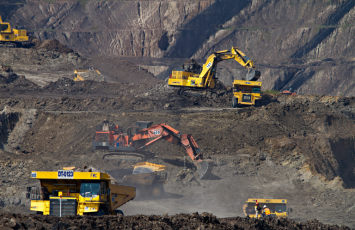
Mining Operations

Mining Operations

These cables are used in mining operations where they must withstand tough circumstances while providing a dependable power supply in rugged and demanding locations.

Outdoor Events

Outdoor Events

Rubber cables are employed in outdoor events and entertainment setups, providing safe and flexible power connections for lighting, sound systems, and temporary installations.

Renewable Energy Projects

The use of rubber cables in renewable energy installations such as windmills and solar arrays is due to their ability to withstand external environmental conditions while providing efficient power generation.

Request a Quote

Ready to Work Together? Build a project with us!

Frequently Asked Questions

  • Rubber cables are utilized in various electrical applications that need flexibility, durability, and resistance to environmental influences. The most popular applications are powering industrial machinery, construction sites, outdoor events, maritime and shipbuilding, mining activities, and renewable energy initiatives.
  • Because of their adaptability, they are appropriate for locations where typical PVC-insulated cables may need to provide the requisite level of resilience or flexibility.
  • PVC cables are more cost-effective and adaptable for less demanding electrical applications.
  • Rubber cables excel in flexibility, durability, and resilience to severe conditions. The decision between rubber and PVC cables is determined by the application’s unique needs and the environmental requirements to which they will be subjected.
  • Rubber is a typical insulating and protective coating for wires and cables. Ethylene Propylene Rubber (EPR), Neoprene, Butyl Rubber, and other rubber compounds are used in wire and cable manufacture to provide insulation, sheathing, or jacketing for electrical conductors.
  • Rubber cables can offer varying degrees of water resistance depending on the specific type of rubber compound used in their construction. Such as neoprene or certain grades of synthetic rubbers, provide better moisture and water ingress resistance. These cables are designed to withstand exposure to damp conditions to a certain extent.